
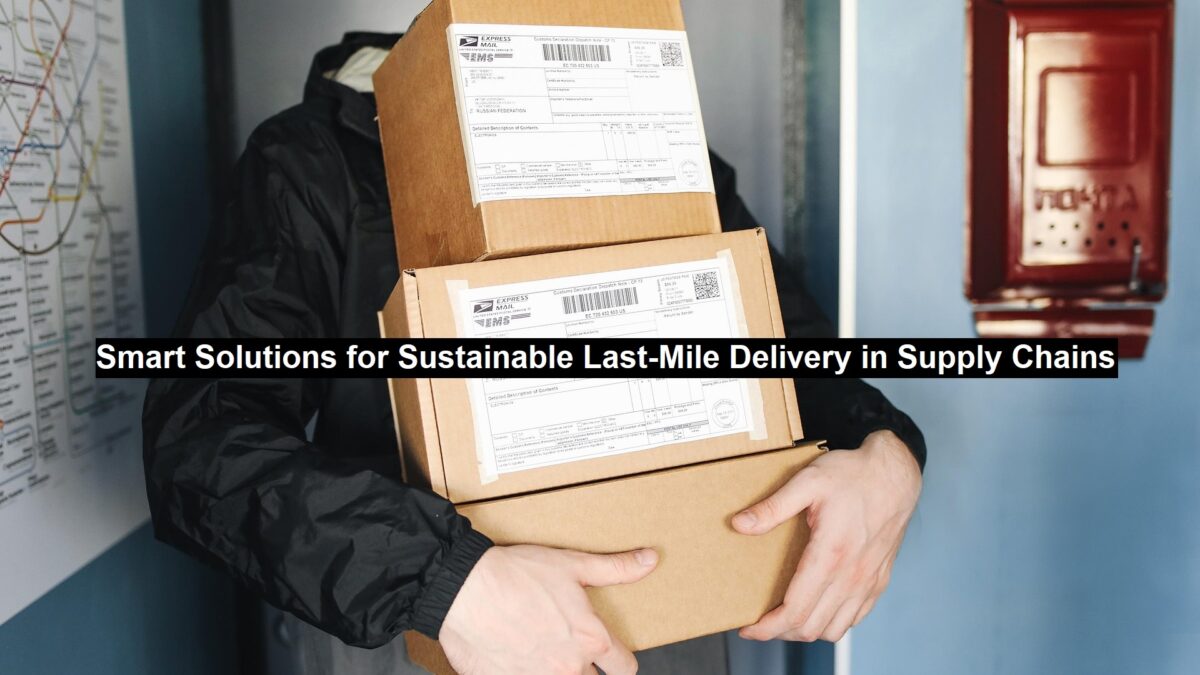
Smart Solutions for Sustainable Last-Mile Delivery in Supply Chains

Over the past few years, last-mile delivery has undergone a dramatic evolution toward eco-friendliness. What began as a race to satisfy consumer demand for lightning-fast, free shipping—culminating in the now-defunct 10‑minute delivery craze—has given way to a more sustainable vision. Although the early pandemic years brought rapid expansion for many startups, the bubble quickly burst. Companies like Friddle and Getir shuttered, while only deep-pocketed players such as Gorilla managed to endure soaring operational costs and dwindling efficiency.
Why Last-mile Costs Matter
It’s no secret that the most expensive leg of any shipment is the final one. In fact, last-mile fulfillment represents 53% of overall shipping expenses and roughly 41% of total supply chain outlays. Without deliberate cost-control measures, urban delivery traffic could drive carbon emissions up by 32% by 2030. Furthermore, a report by the Capgemini Research Institute warns that companies failing to optimize their final-mile operations risk a 26% profit erosion within three years.
Below, we explore several forward-thinking tactics that can cut expenses, slash emissions, and bolster your brand’s green credentials.
1. Electrify Your Fleet
Swapping diesel vans for electric vehicles (EVs) or e‑bikes is one of the most straightforward ways to drive down carbon output. With zero tailpipe emissions and reduced noise pollution, EVs qualify for tax credits and green incentives in many jurisdictions—lowering both fuel and maintenance costs. Over time, transitioning to a fully electric fleet pays for itself through energy savings and regulatory perks, all while showcasing your commitment to sustainability.
Read: From Clicks to Conversations: How AI Is Changing the Way We Use Mobile Apps
2. Embrace Scheduled Deliveries
On-demand shipping is convenient but costly—and often inefficient. By inviting customers to choose delivery windows or specific days, you can cluster orders geographically and minimize “empty miles.” Industries like dairy and bottled water routinely rely on subscription or time-slot models to streamline route planning, boost driver productivity, and enhance predictability for both sender and receiver.
3. Optimize Multi-stop Routes
Leverage advanced delivery management software powered by AI and machine learning to calculate the most efficient path between multiple stops. This not only minimizes total distance and fuel consumption, but also cuts down on driver hours—all without adding extra vehicles. For a deep dive into how customized logistics app development can deliver powerful route‑optimization features, check out this I Software Tips post.
4. Champion Eco-friendly Packaging
Packaging waste is a hidden contributor to your carbon footprint. Combat it by adopting recyclable, compostable, or reusable materials—and by designing shipments that use only what’s necessary. For bottled water distributors, a deposit-return system for crates and plastic bottles not only slashes packaging costs but also reinforces circular logistics by bringing empties back into your supply chain.
5. Deploy Smart Technology
Integrate IoT sensors, predictive analytics, and cloud‑based platforms to monitor vehicle health, package conditions, and real‑time traffic. These insights help prevent breakdowns, reduce waste, and stay agile in the face of shifting consumer patterns. To see how IoT is already powering next‑gen delivery apps—complete with live tracking and sensor data—take a look at this overview of Uber‑like grocery delivery apps.
6. Build Circular Logistics Loops
Close the loop by coordinating reverse logistics: retrieve packaging and containers during outbound deliveries, process returns efficiently, and partner with local recyclers or refill stations. Circular logistics not only trims waste but also opens new revenue streams through refurbishing or remanufacturing returned assets.
7. Broadcast Your Green Initiatives
Transparency breeds trust. Highlight your sustainable delivery options at checkout, label them with green badges on your website or app, and share progress updates via social media and email newsletters. By educating customers about your eco-practices, you’ll inspire loyalty and attract like‑minded consumers.
Industries Thriving on Scheduled Deliveries
- Dairy
Perishability demands precision. Scheduled drop-offs prevent spoilage, guarantee freshness, and reduce both missed deliveries and overstocking. - Bottled Water
Predictable, bulk shipments allow for optimized routing, crate returns, and fewer last‑minute dispatches, ensuring consistent inventory levels. - Pharmacy
Timely, temperature‑controlled deliveries are vital for patient safety. Recurring schedules support chronic care regimens and regulatory compliance. - Grocery
With early ordering and defined time slots, grocers can better manage stock levels, prevent food waste, and streamline route planning.
Conclusion
As direct-to-consumer deliveries surge, embedding sustainability into your last-mile operations is no longer optional—it’s essential for resilience, customer satisfaction, and long‑term profitability. From electrifying fleets and scheduling drop‑offs to leveraging smart software and circular systems, these strategies offer a clear roadmap to greener shipping. The competitive edge belongs to businesses that act swiftly: the only question is, how soon will you transform your last mile?


